



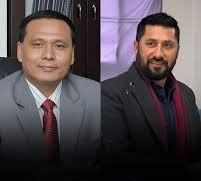
Kathmandu, Jan 11: An alliance formed to challenge Nepal’s old political forces collapsed within 12 days. The unity between the Rastriya Swatantra Party, RSP, and the Ujyalo Nepal Party ended over disputes on posts, roles, and leadership.
The deal, framed as an effort to build an alternative political force, fell apart due to arguments over positions and authority. Publicly, leaders cited ideological differences and procedural issues as the reasons for their disagreement. Inside, the dispute revolved around personal standing and control. The agreement was centered on individuals, not institutions. Unclear power sharing and early signs of leadership dominance triggered friction from the start.
The two parties had signed a seven-point agreement, drawing on the Gen Z movement of September 8-9, anti-corruption sentiment, good governance, and merit-based politics. The document spoke of cooperation among reform-minded forces to create a new political option.
The ideals looked strong on paper. Practice told a different story. While the agreement emphasised democracy, inclusion, and merit, the leadership structure was already predetermined. This sparked early disputes.
Several clauses became flashpoints. Clause four stated that Rabi Lamichhane would remain RSP chair, with Kulman Ghising, DP Aryal, and Swarnim Wagle as vice chairs. This placed Ujyalo Nepal in the role of a group being absorbed, not an equal partner. Discontent grew inside Ujyalo Nepal due to the lack of clear power sharing.
RSP leaders say Ghising later sought the senior vice chair post. RSP rejected the demand. Ujyalo Nepal leaders say they were offered no key posts beyond vice chair. They also asked for one general secretary post, which RSP declined as it had already been promised to the Balen Shah group.
Disputes followed over central committee seats and proportional representation candidates. Ujyalo Nepal felt sidelined in both numbers and selection. Objections arose early, including from leader Mahendra Lawati.
The agreement promised roles based on merit, inclusion, and public image. The candidate list did not reflect that promise. Ujyalo Nepal activists said they were treated as helpers, not partners. Tensions peaked, and the alliance collapsed.
After talks with Lamichhane, Ghising concluded his role lacked dignity. Ujyalo Nepal has now chosen to move forward independently, with Ghising set to become chair.
People’s News Monitoring Service






Comments:
Leave a Reply