



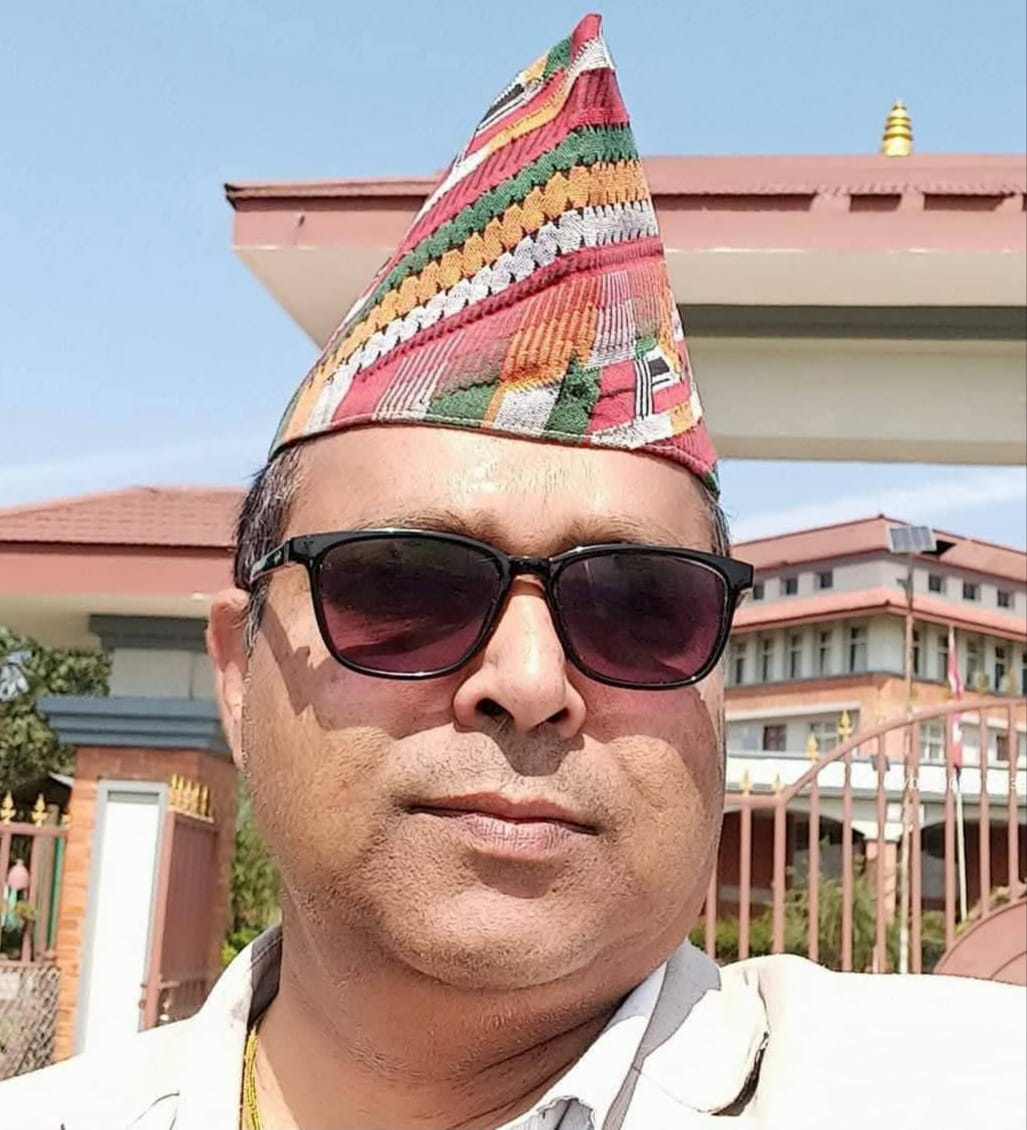
By Shambhu Prasad Deo
Political parties serve as the cornerstone of modern democracy, aggregating diverse interests, recruiting and grooming leaders, structuring electoral competition, and translating public demands into effective policy. However, in South Asia, a stark paradox persists: while elections are competitive and participation vibrant, many parties grapple with institutional fragility, frequent splits, weak internal democracy, and limited long-term credibility. Countries like Nepal, India, Bangladesh, and Pakistan exemplify this tension—high democratic energy coexisting with unstable party systems.oxfordre.comidea.int
This article explores why some political parties endure for decades while others fragment or fade, emphasizing leadership dynamics, individualism versus institutionalization, and structural design. Drawing primarily from Nepal, with comparisons to India and broader South Asia, and insights from established democracies like the UK, US, and Japan, it argues that true longevity relies not primarily on charisma or short-term electoral success, but on robust institutions, effective leadership succession, adaptability, and a balance between ideology and organization.
Defining Party Longevity: Beyond Mere Survival
Party longevity means more than a name persisting over time. It entails sustained political relevance, organizational coherence, social legitimacy, and the ability to weather leadership transitions, electoral defeats, ideological evolution, and societal changes without disintegration.
Globally, exemplars include the UK Conservative Party (roots in the 1830s), the US Democratic Party (tracing to 1792), the Republican Party (1854), and Japan’s Liberal Democratic Party (LDP, dominant since 1955). These endure through formal rules, transparent succession, internal conflict management (e.g., LDP’s factional balance), and adaptability—shifting policies while preserving core values, such as US Democrats evolving from agrarianism to social liberalism.
Here are some visual examples of enduring party structures in action:

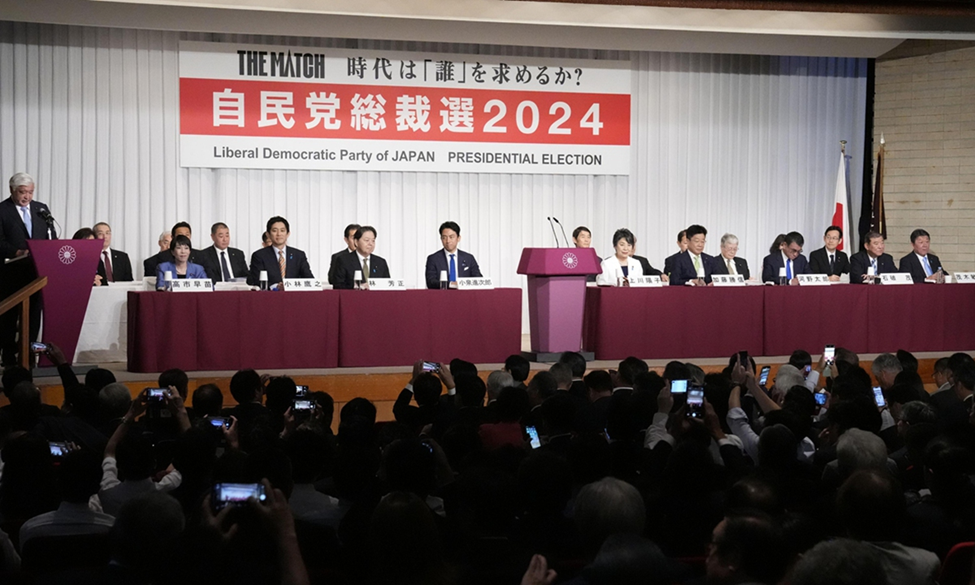
These images illustrate Japan’s LDP engaging in internal leadership processes, showcasing how structured factions and conventions maintain cohesion over decades.
In South Asia, outcomes vary: some parties persist with weak institutionalization, while others repeatedly splinter despite electoral clout.
South Asian Patterns: Personality Over Institutions
South Asia often prioritizes individual leaders over party structures. High personalism—floor-crossing MPs, factional cults, and dynastic tendencies—fuels short-term gains but leads to instability, policy U-turns, and eroded public trust.
In India, the Indian National Congress (INC, founded 1885) boasts historical legitimacy and nationwide reach but has declined due to centralization and reduced internal democracy. In contrast, the Bharatiya Janata Party (BJP) thrives by blending strong ideology, disciplined organization, and charismatic leadership under Narendra Modi.
Here are glimpses of the BJP’s mobilized strength:
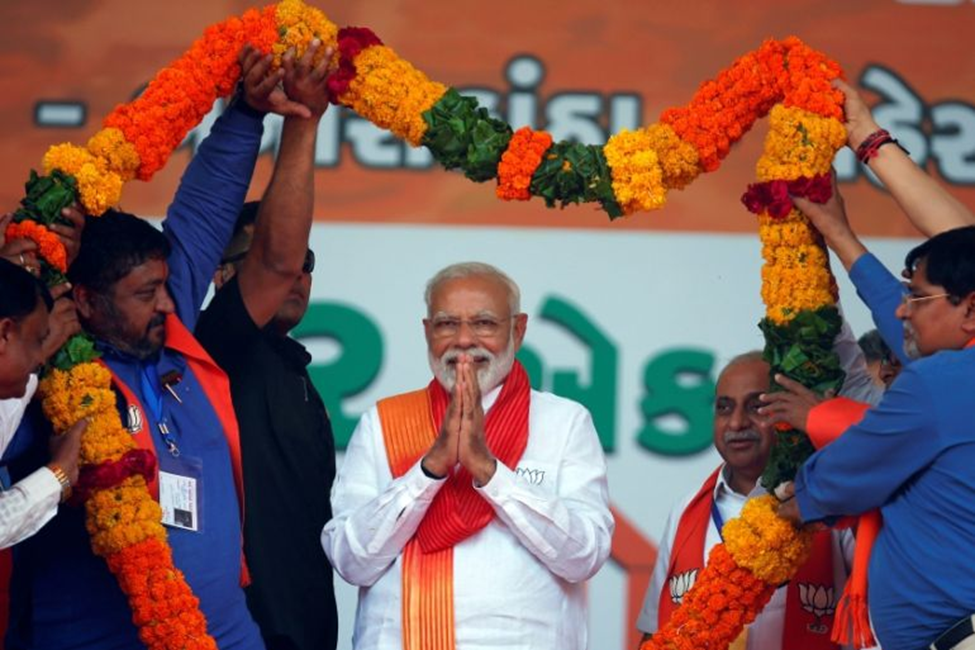
These rally scenes highlight how pre-declared leadership (Modi-style) energizes voters while fitting within a hierarchical framework, aiding electoral success.
Bangladesh’s Awami League and Pakistan’s PPP often rely on family dynasties, risking collapse after key figures. Nepal mirrors these trends with unstable coalitions and frequent rifts.
Nepal’s Case: Resilience Amid Fragmentation
Nepal’s multiparty system showcases democratic openness alongside institutional weakness. Coalition governments dominate, and leadership rivalries frequently trigger splits.
Mainstream parties like Nepali Congress and Communist Party of Nepal established to uproot Rana regime, exhibit relative longevity. NC has survived regime changes, splits, and defeats through periodic conventions, national networks, and a broad democratic-pluralist identity. UML maintains resilience via disciplined cadres and ideology, despite periodic factionalism.
However, Madhesh- and Janajati-based parties, crucial for inclusion, federalism, and regional rights, often organize around individuals. Leadership disputes cause repeated splits, mergers, and realignments, hindering policy continuity.
Nepal’s recent events underscore this fragility. The Nepali Congress, Nepal’s oldest democratic party, formally observed split on January 15, 2026, amid escalating tensions. Party President Sher Bahadur Deuba faced demands to step down, but refused, leading to suspensions of rivals like General Secretaries Gagan Thapa and Bishwo Prakash Sharma. A rebel faction then held a convention, electing Gagan Thapa as new president, claiming majority delegate support.myrepublica.nagariknetwork.comindianexpress.com
Here are images capturing key figures in this ongoing event:
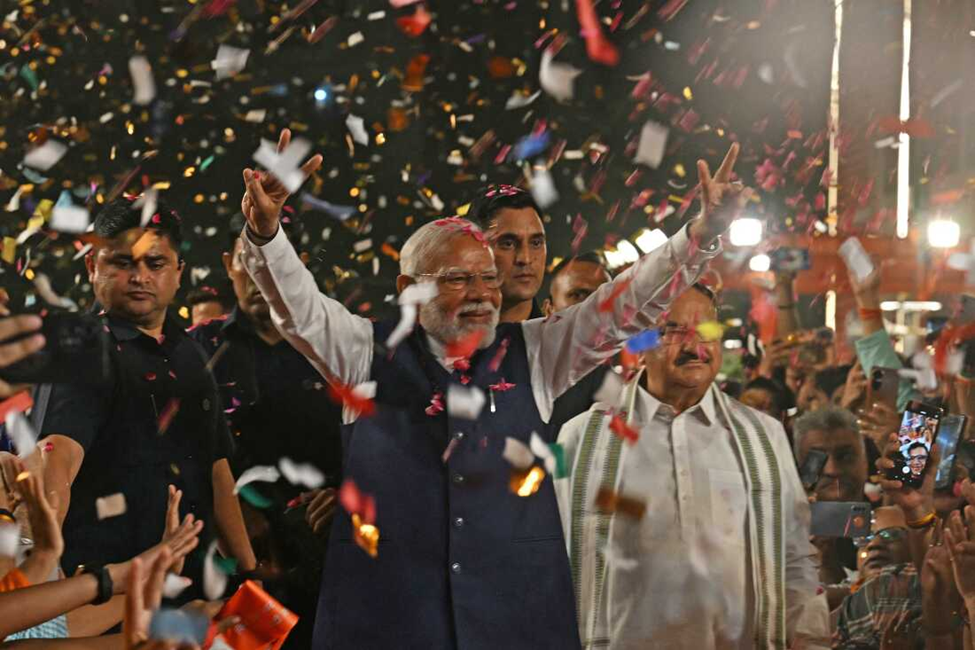
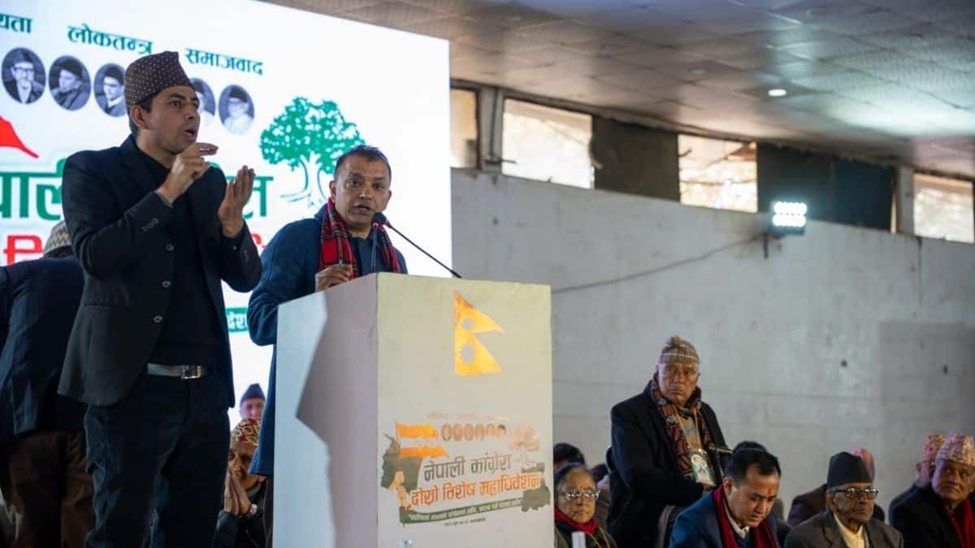

These visuals show Deuba and Thapa, representing the establishment versus proponent factions.
Such divisions threaten unity ahead of elections and highlight how unmanaged egos stall reforms like decentralization.
Nepal’s coalitions often collapse, eroding trust and delaying equity, as seen in frequent government changes.
Here are examples of Nepal’s parliamentary dynamics:

Nepal’s new prime minister seeks vote of confidence in parliament …
This image depicts parliamentary proceedings, symbolizing the coalition instability that plagues national governance.
Key Pillars for Longevity and Reforms for Nepal
Enduring parties rest on flexible yet anchored ideology, robust institutions (constitutions, transparent elections, cadre training), internal conflict resolution (factions with rules, mediation), and generational renewal—avoiding dynasties.
Nepal’s mainstream parties show moderate resilience through historical roles and local networks, but need better conflict mechanisms. Madhesh and Janajati parties must evolve beyond ethnic leverage toward programmatic platforms.
Actionable reforms include:
- Enforcing party laws with mandatory biennial conventions.
- Transparent funding and cadre academies (training thousands of youth annually, like Germany’s SPD).
- Allowing factional rivalry but banning mid-term defections.
- 33% inclusivity quotas for youth in leadership.
- Policy labs for manifestos with measurable, audited goals.
Gen-Z protests signal urgency; ignoring institutionalization risks obsolescence. BJP’s success proves ideology plus organization outlasts charisma alone.
Path Forward
In federal Nepal, parties can emulate LDP endurance by prioritizing systems over stars. Mainstreams must groom beyond seniors; identity-based parties institutionalize inclusion for durability. Federalism offers a reset for broad coalitions and equitable dividends.
Without reform, alternatives like technocracy or direct mechanisms may emerge, but parties remain democracy’s engine. Nepal deserves institutions that foster lasting relevance, effective governance, and national development.





Comments:
Leave a Reply