



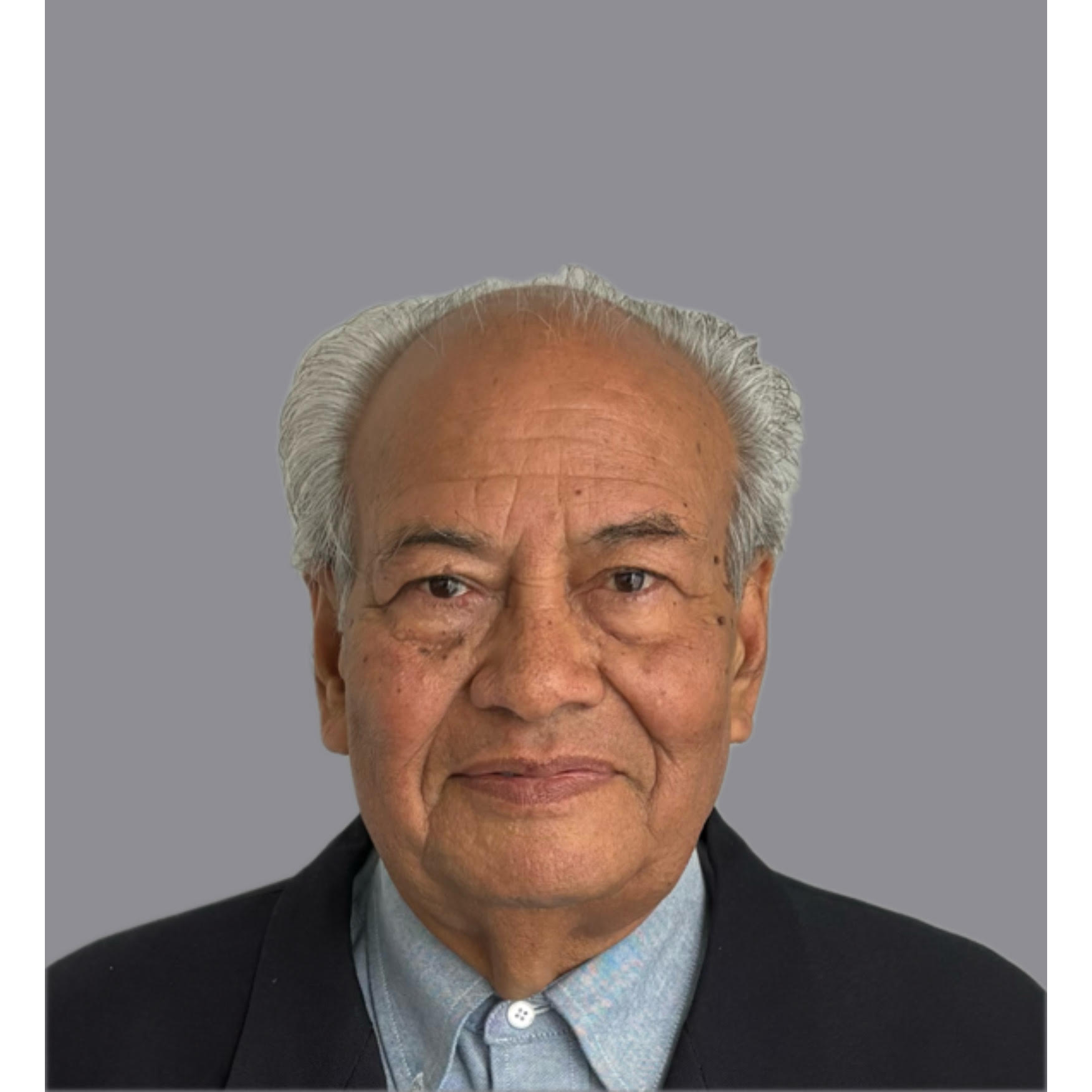
By Narayan Prasad Mishra
In the course of its modern history, Nepal has experienced dramatic political transformations—from absolute monarchy to constitutional monarchy, and eventually to a federal democratic republic. Yet, despite the changes in the system, the fundamental aspirations of the Nepali people—for peace, prosperity, justice, and dignity—remain largely unfulfilled. This glaring gap between political promises and lived reality underscores a vital truth: what Nepal desperately needs is not the constant reinvention of political systems, but the establishment of good governance. Whether under a republic or a monarchy, good governance is the proper foundation for national development and citizen welfare.
The Politics of False Solutions
It is a mistake to assume that any particular system—be it a monarchy or a republic—can single-handedly ensure national progress. Political systems are merely frameworks; their effectiveness depends entirely on how they are executed. A well-run monarchy can uplift a nation, just as a poorly governed republic can ruin one. In Nepal’s case, the post-2006 republican era has sadly failed to deliver the transformative progress it promised. Corruption has become institutionalized, public services are unreliable, development is stalled by political infighting, and disillusionment among citizens is growing.
This is not to imply that the monarchical era was perfect—it was not. However, the current republican system, characterized by a fragmented political landscape, rampant nepotism, and a disregard for meritocracy, has exposed the limitations of mere structural change without ethical leadership and administrative discipline.
What Is Good Governance?
Good governance is not about who rules, but how the country is ruled. It is the practice of accountable, transparent, inclusive, and efficient administration that serves the people rather than the politicians. It is about upholding the rule of law, ensuring justice, eliminating corruption, protecting freedoms, and delivering public services reliably. When governance is sound, systems become secondary—because the end goal of any system is to serve the people, not the rulers.
Countries like Thailand, Bhutan, and the United Kingdom have prospered under constitutional monarchies due to competent and ethical governance. Likewise, countries such as Germany and South Korea have flourished under republican models for the same reason. The lesson is clear: it is the quality of governance—not the label of the system—that determines national well-being.
The Cost of Bad Governance in Nepal
Nepal’s greatest tragedy today is not the type of government it has, but the lack of moral leadership and administrative effectiveness. Each successive government—regardless of the ruling party—has been plagued by scandal from the fake Bhutanese refugee scam to large-scale cooperative frauds and arbitrary political appointments. Government contracts are often awarded not on merit, but on favoritism or kickbacks. Institutions remain politicized and paralyzed. In this environment, it is the common people who suffer the most, from poor healthcare and education to inadequate infrastructure and joblessness.
Youth are leaving the country in record numbers, not because of any particular political system but because of hopelessness bred by poor governance. Nepal’s brightest minds are seeking opportunities abroad, while governance at home remains in the hands of opportunists rather than visionaries.
A Call for Moral and Managerial Reform
Whether Nepal chooses to continue as a republic or decides to revisit a constitutional monarchy, the conversation should not be about the system alone. The focus must be on reforming the way we govern. This includes:
- Ending corruption through independent anti-corruption bodies with absolute authority.
- Depoliticizing public institutions and ensuring merit-based appointments.
- Strengthening the judiciary to uphold the rule of law without fear or favor.
- Empowering local governments to serve their communities efficiently.
- Creating accountability mechanisms so that no official is above the law.
Good governance cannot be delivered alone by a king or a president. It requires collective commitment from all sectors—politicians, bureaucrats, civil society, media, and citizens.








Comments:
Leave a Reply