




Kathmandu, March 30: The government is set to publicly apologise to Dalits and historically marginalised communities, who have been victims of oppression for centuries.
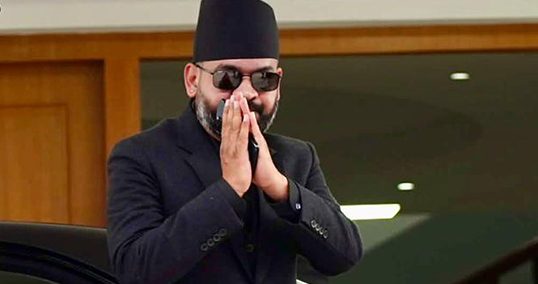
The fifth point of the 100-point agenda for governance reforms approved by the Council of Ministers led by Prime Minister Balendra (Balen) Shah on Friday mentions an apology to Dalits and marginalised communities.
The point states that ‘we will formally acknowledge the injustice, discrimination and deprivation of opportunities inflicted on Dalits and historically marginalised communities by the state, society and policy structures, and prepare the basis for social justice, inclusive restoration and historical reconciliation.’
For this, it has been decided to announce a reform-oriented program within 15 days, including a formal apology on the part of the state.
Dalit activists have welcomed the state’s acknowledgement of the historical oppression of Dalits and marginalized communities and the announcement of an apology for the first time in history.
Dalit activist Hiralal Bishwakarma said that it is a big deal for the state to realize that it should apologize to the oppressed community. He said that even though the state has said that such discrimination should not be done, it has not been eradicated because there is no acknowledgement of discrimination.
‘Before any tragic incident is put aside, it should be acknowledged that it happened. Only then will the efforts for reform be sincere,’ he told Setopati. The practice of apologising to the oppressed community in this way started in countries such as Australia, Canada, and New Zealand. After realising that they had committed atrocities against indigenous people and nationalities, they had publicly apologised at the state level. It is a welcome step for the Nepal government to embrace it.’
Noting that in those countries, along with public apologies, economic packages and laws have been made for the upliftment of the oppressed community, he said that it is welcome that it has been started in Nepal as well.
Nepal was declared a country free from caste untouchability on 21 Jestha 2063 B.S. Then, in 2079, the National Assembly passed a resolution on the rights of the Dalit community.
But even though the country was declared a nation free of caste untouchability at that time, the state had not issued a public apology.
‘The current decision is honourable, but there is a fear that it will only be lip service like in the past,’ he said. ‘After announcing such programs, policies, budgets, and structures are needed. Without them, it is good to show such announcements externally, but the Dalit community does not get justice.’
According to him, even though the Dalit Commission is currently structured, it has not been able to work effectively.
‘Dalit cells have been formed in 86 police agencies. But its implementation is weak,’ he said. ‘There is no manpower, resources, or desks to effectively implement the existing policies and regulations. In addition, the police deployed are being given additional responsibilities and are working to clear the weeds.’
People’s News Monitoring Service






Comments:
Leave a Reply