



By Our Political Analyst
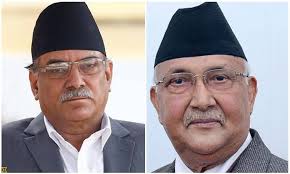
As the March 5 election nears, KP Sharma Oli and Pushpa Kamal Dahal, who spent months attacking each other have suddenly found time for quiet conversations. As they face rising pressure from younger voters and face real danger at the ballot box, it seems personal animosity between the two has started disappearing again.
The recent meeting involving Oli and Dahal happened due to deepening worries. Gen Z anger has shifted the mood of politics. The election no longer looks predictable, and the fear of defeat has appeared a reality. That fear has pushed leaders into talks they once ruled out.
What matters here is not just the meeting, but the habit behind it. When things are calm, Oli and Dahal play rivals, guarding pride and party lines. When things get rough, those differences suddenly feel flexible. Leaders who accused each other of betrayal and failure now find common ground overnight. This is not political growth. It is self-preservation wrapped in polite language.
The irony is obvious. After the Gen Z protests, both started criticizing each other. Sharp remarks flew, trust broke down, and party workers followed the tone set at the top. Now, with both leaders under pressure, those words have been quietly set aside. Attacks have paused. Silence has taken their place, and that silence says more than any past speech.
These talks also expose another problem. Senior leaders still believe elections can be handled through backdoor calculations. They search for safe seats, friendly candidates, and discreet deals, even as public mood shifts beneath their feet. Voters, especially younger ones, are not impressed by tactical tie ups. They are reacting to years of instability, unmet promises, and leaders who rediscover each other only when cornered.
The outreach to Deuba makes this clearer. After changes inside the Nepali Congress left many of his allies sidelined, Oli and Dahal saw an opportunity. This was not about shared belief or policy direction. It was about borrowing influence where it might help. It shows how elections have turned into exercises in limiting losses instead of earning trust.
There is a deeper cost to this pattern. When leaders come together only under pressure, public trust takes a hit. People see the cycle clearly. Yesterday’s enemy becomes today’s ally and tomorrow’s target again. Such shifts strengthen the belief that ideas matter less than survival. That belief feeds frustration and nudges voters toward newer forces that promise change, even if those promises remain untested.
March 5 now looks like a contest between habit and exhaustion. Oli and Dahal moving closer may reduce short term risk, but it also sharpens criticism that senior leaders recycle alliances instead of answers. Each election fought this way widens the distance between those at the top and those casting ballots.
If both parties struggle or lose, the reasons will be clear. The Gen Z protests were not background noise. They were warnings. Coming together in hard moments may buy leaders time, but it does not address why voters are uneasy. In Nepali politics, closeness born out of fear rarely lasts, and the cost always shows up after the votes are counted.






Comments:
Leave a Reply