



By Our Reporter
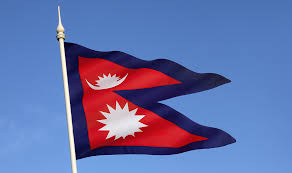
Few symbols stir emotion like Nepal’s national flag. Its shape, colors, and history carry a sense of pride that cuts across caste, region, and party. That is exactly why its growing misuse in political protests and campaigns should worry everyone, not just lawyers and scholars. What we are seeing today is less about love for the nation and more about loud political performance.
Across recent protests and rallies, the national flag has been pulled into street confrontations, shouted slogans, vandalism, and even arson. Political cadres wrap it around their shoulders, wave it beside party flags, and post it aggressively on social media. The message they try to send is simple: we are the real patriots, others are not. That message is dangerous.
A flag meant to represent unity loses its meaning the moment it is dragged into partisan fights. When political actors treat the flag as their property, they quietly push the idea that national identity belongs to a few, not to all Nepalis. This is how a shared symbol turns into a weapon.
What makes the situation worse is intent. Much of this behavior is not accidental. Newer political forces, eager to appear more nationalistic than established parties, often use the flag as proof of moral superiority. Older parties respond in kind, afraid of looking less patriotic. The result is competitive nationalism, not genuine respect. Patriotism becomes a contest of visibility, not responsibility.
The practice of draping the flag like a shawl shows this clearly. Once reserved for moments of national honor or mourning, it has now become routine political attire. This blurs the line between reverence and ownership. The flag turns into a costume. In the process, its dignity fades. Many who do this may not intend disrespect, but intent does not cancel impact.
Legal experts have warned about this trend for good reason. When the flag appears at scenes of violence or unlawful acts, it sends a troubling signal. It suggests that the state itself stands behind those actions. That weakens trust in law and order. It also confuses citizens about where the state ends and party politics begins.
Some argue that Nepal faces bigger problems, jobs, corruption, weak governance, so worrying about a flag feels misplaced. That argument misses the point. Symbols matter precisely because institutions remain fragile. Nepal’s flag sits inside the Constitution. It represents sacrifices made in wars, political struggles, and peacekeeping missions. Treating it casually chips away at respect for the constitutional order itself.
Responsibility does not lie with one group alone. Political parties must issue clear internal rules banning the misuse of the national flag in protests, campaigns, and confrontational events. Silence from party leadership is read as approval. That must change.
Government agencies also need to move beyond reminders issued after controversies explode. Consistent enforcement matters. Selective action only encourages further misuse. If the law protects national symbols, it must do so evenly, not when it suits the mood.
Citizens have a role too. Patriotism is not proven by waving a flag in anger. It is shown through respect for law, restraint in protest, and care for public property. Calling out misuse, even when done by one’s preferred party, is part of civic duty.
Protecting the dignity of the national flag is not about shrinking free expression. It is about preserving meaning. Some symbols belong to everyone. When they are abused for short term political gain, the loss is collective. Nepal’s flag should remind us that despite loud divisions, there is still a shared idea of the nation. Turning it into a prop weakens that idea, and once weakened, it is hard to rebuild.






Comments:
Leave a Reply