




Kathmandu, Jan 31: Nepal’s health authorities have introduced interim testing guidelines for the Nipah virus after India confirmed new infections in West Bengal, triggering public concern and a rise in test requests.
The Epidemiology and Disease Control Division said many people, especially recent travellers from West Bengal with flu-like symptoms, have been seeking testing. Officials said the guidelines aim to filter genuine risk cases and avoid unnecessary panic.
Under the protocol, a suspected Nipah case includes individuals whose health is rapidly declining or who have died after showing symptoms such as fever, breathing problems or coma. Such cases must also have an exposure link, including consumption of raw date palm sap, contact with infected animals, particularly fruit bats, or travel to Nipah affected areas.
A probable case includes unexplained deaths, severe acute respiratory infections, acute encephalitis, or anyone who has been in close contact with a confirmed Nipah patient.
An official at the disease control division said the situation remains under control. He cited briefings from Indian authorities and the World Health Organisation, which have said the outbreak has been contained and the risk of spread is low, despite Nepal sharing a land border with West Bengal.
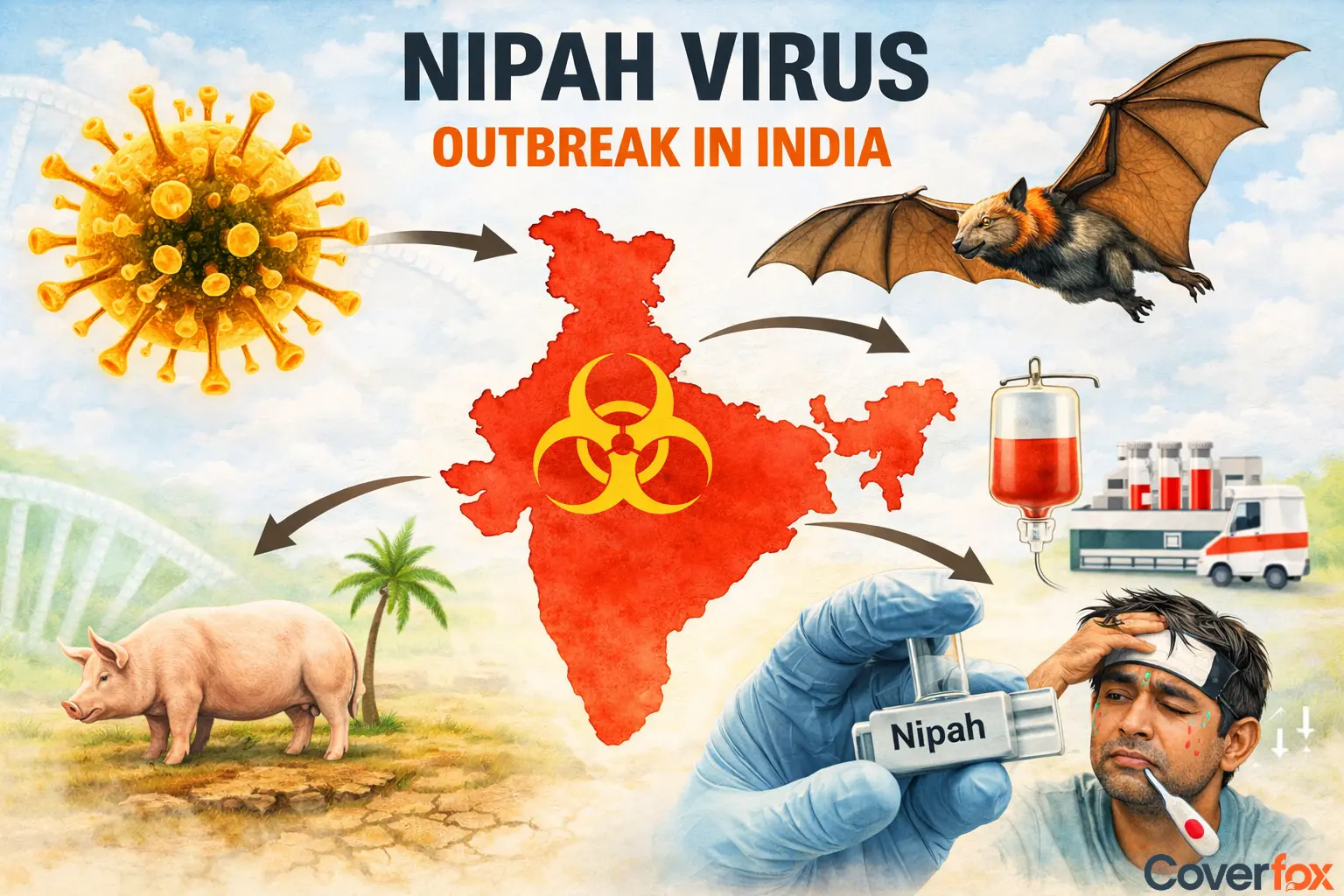
India has confirmed two Nipah cases this month in West Bengal, both involving healthcare workers who developed symptoms in late December.
Nipah is a zoonotic virus that spreads from animals to humans and can also be transmitted between people. Public health experts warn Nepal cannot ignore the risk, as fruit bats may be present in the country and daily cross-border movement continues, especially in Koshi province.
Hospitals have been told to report sudden deaths or Nipah like symptoms. Health desks at land crossings and at Tribhuvan International Airport are on alert.
The WHO says symptoms usually appear within three to 14 days. The fatality rate ranges from 40 to 70 per cent.
People’s News Monitoring Service








Comments:
Leave a Reply