



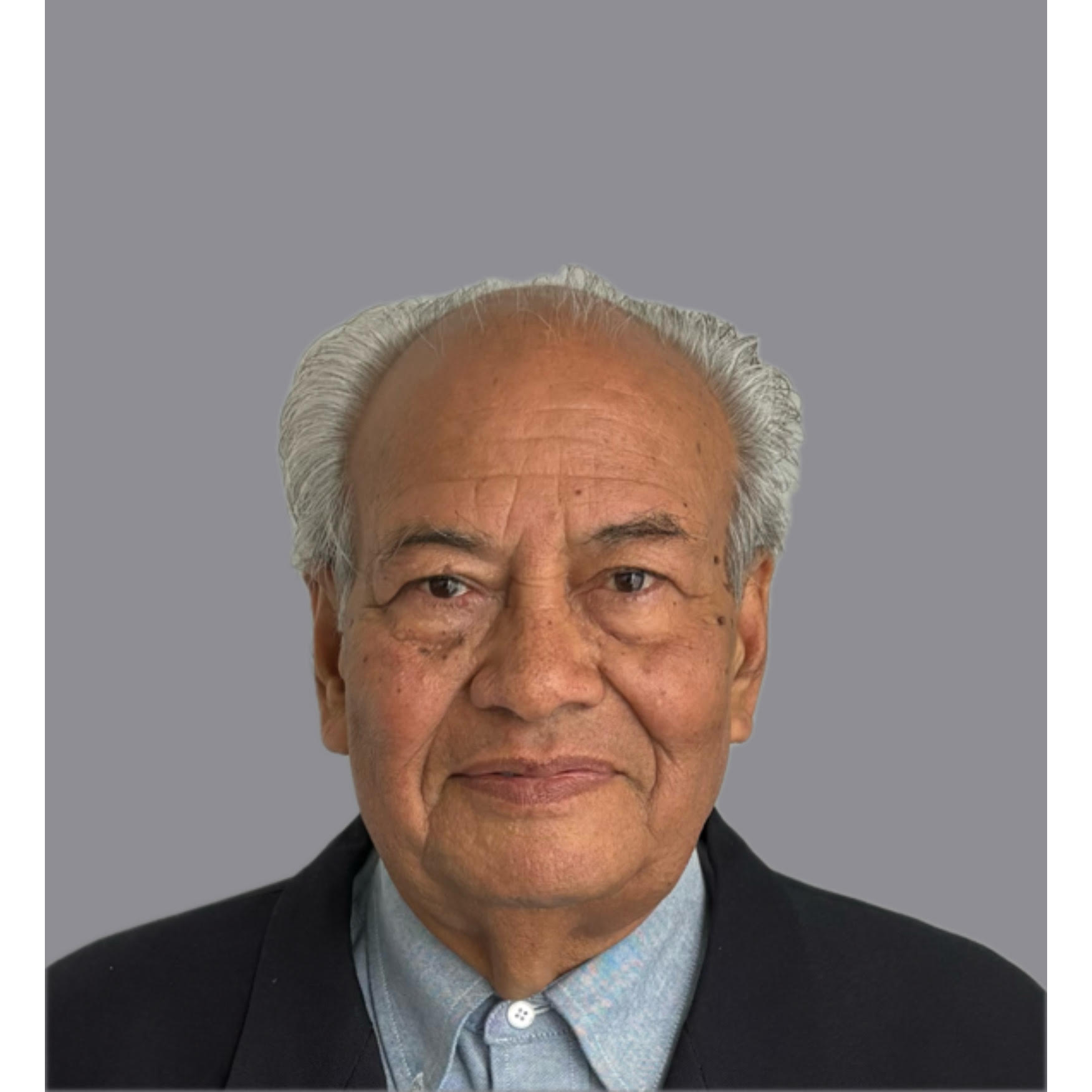
By Narayan Prasad Mishra
There was a time in human history when nations rose through conquest. Power was measured by the ability to defeat others, seize territory, and extract wealth. The Roman Empire, the British Empire, and long periods of Muslim rule across vast regions of the world stand as reminders of an era shaped by war, domination, and economic exploitation.
Over time, however, the world began to change. The devastation of wars and the moral awakening that followed gave rise to a new global understanding: peace and cooperation were more sustainable than conquest. Gradually, the idea of supporting weaker or developing nations replaced imperial control. Wealthier and technologically advanced countries began assisting poorer, less-developed, and friendly nations through economic aid, educational cooperation, and technical support, with the broader goal of promoting stability, development, and world peace.
As a result, numerous international programs emerged, supported by countries such as India, China, the United States, Russia, the United Kingdom, Germany, France, Switzerland, Denmark, Finland, Norway, and many others. Through these initiatives, roads, highways, bridges, schools, hospitals, and other vital infrastructure have been built across less-developed nations. Nepal, too, has benefited significantly from this global spirit of cooperation. Long highways stretching across hills and plains, as well as development projects in remote regions, stand as evidence of international goodwill and trust.
Yet Nepal did not enter this era of cooperation as a morally empty society. Traditionally, Nepali society has had a rich and deeply rooted culture of generosity, compassion, and voluntary giving. Helping those in need was considered a moral duty. People donated their savings for religious, social, and community purposes. Many temples, monasteries, rest houses, water spouts, and public institutions were established and sustained through such acts of selfless giving.
The Guthi system stands as one of the strongest historical expressions of this tradition. For centuries, people donated even hundreds of ropanis of land under Guthis to support religious, cultural, and social functions. These were not merely symbolic acts but profound commitments to the well-being of future generations. I know from personal family history that even my own father and grandfather, though not wealthy, contributed from their limited savings in small but meaningful ways in Bhaktapur for such purposes. Their actions reflected a moral culture in which giving was considered an honor rather than a burden.
Tragically, this culture of generosity is now under strain.
The current corrupt political environment in Nepal is discouraging even the most well-intentioned individuals from donating their hard-earned money to essential social services, such as healthcare, education, or other public needs. Many people still possess a deep desire to give when they see suffering or unmet needs, yet they hesitate—sometimes painfully—because corruption appears to be everywhere. They fear that their donations, property, or contributions may be misused, politicized, or captured by dishonest intermediaries. How painful it is that corruption has reached a point where it suppresses generosity itself.
At the same time, Nepal continues to witness one high-profile, multi-million-dollar corruption scandal after another. Cases involving development projects, cooperative institutions, procurement processes, and fraudulent schemes dominate public discourse. Instead of accountability, impunity prevails. Instead of gratitude for assistance, we see entitlement and abuse of power.
This reality fills many citizens with sadness and shame. International aid is not given without purpose; it is built on trust—trust that resources will be used honestly to improve people’s lives. When that trust is betrayed, the damage extends far beyond financial losses. It erodes Nepal’s credibility, weakens institutions, discourages honest professionals, and disillusions young people who long for a just and functional society.
The contrast is deeply troubling. While the global community has evolved from conquest toward cooperation, Nepal’s political culture appears to have moved from traditional generosity toward institutionalized corruption. Aid meant for development becomes an opportunity for personal enrichment. Public office becomes a gateway to power and profit rather than a responsibility to serve the public.
This is not merely a financial or administrative failure; it is a moral collapse. Corruption on this scale undermines national dignity. It destroys trust—both domestic and international—and slowly poisons the social conscience. Worst of all, it breaks the chain of voluntary giving that once bound Nepali society together.
Nepal does not lack friends in the world, nor does it lack cultural depth, human talent, or moral heritage. What it increasingly lacks is ethical leadership and a political culture anchored in accountability and integrity. The values that once inspired ordinary citizens to donate land, savings, and labor for the common good are being overshadowed by a system that rewards greed and punishes honesty.
The world has moved from empire to cooperation. Nepal must now move from corruption to conscience. Aid must no longer be treated as a form of loot. Development must no longer serve as a cover for plunder. Public office must once again be understood as a sacred trust.
As a citizen, I feel both sorrow and shame witnessing this decline. Yet I also believe that remembering who we once were—a society grounded in generosity, duty, and shared responsibility—can help guide us toward who we must become again. Only by restoring integrity at the heart of governance can Nepal truly honor the spirit of global cooperation and stand with dignity among nations.
narayanshanti70@gmail.com







Comments:
Leave a Reply