



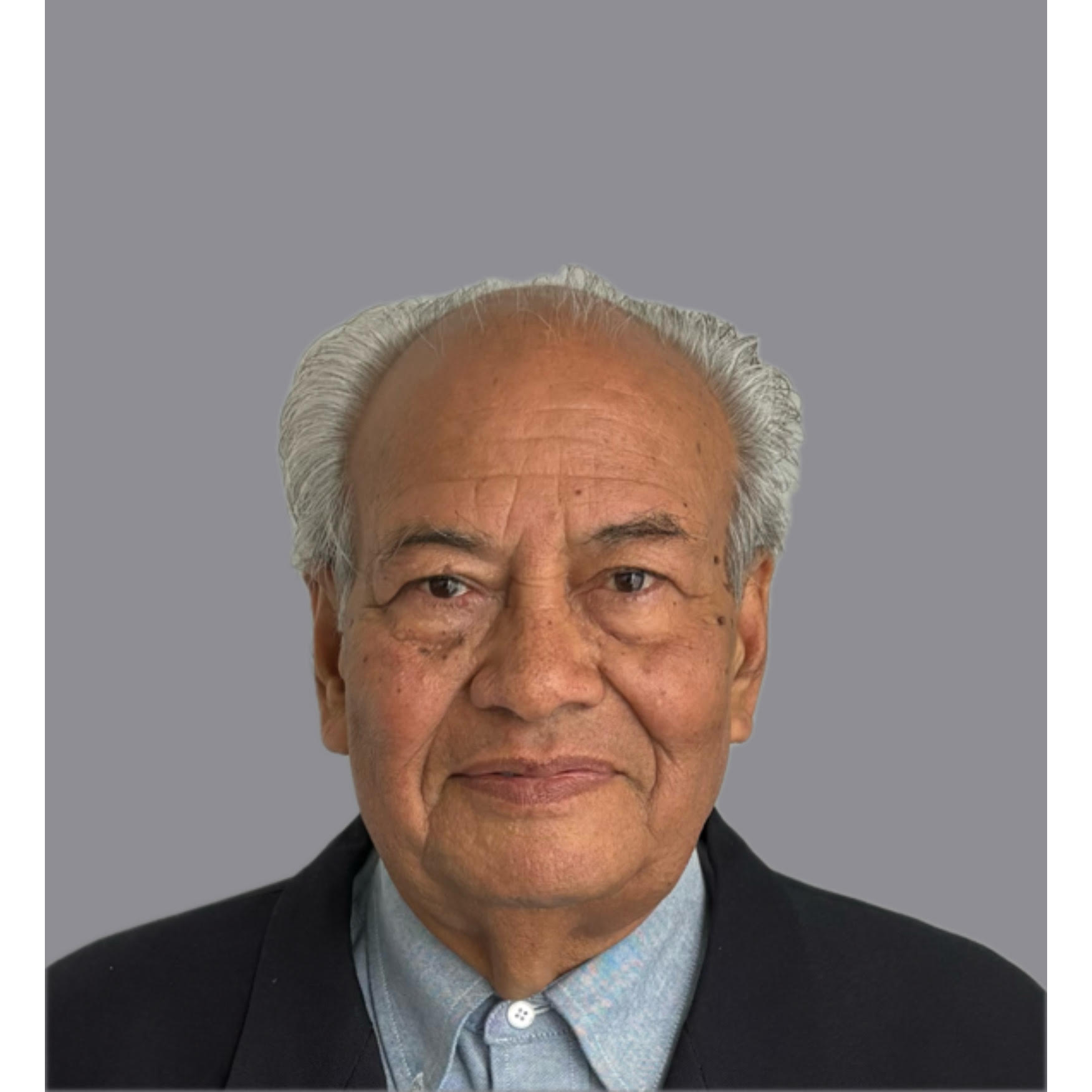
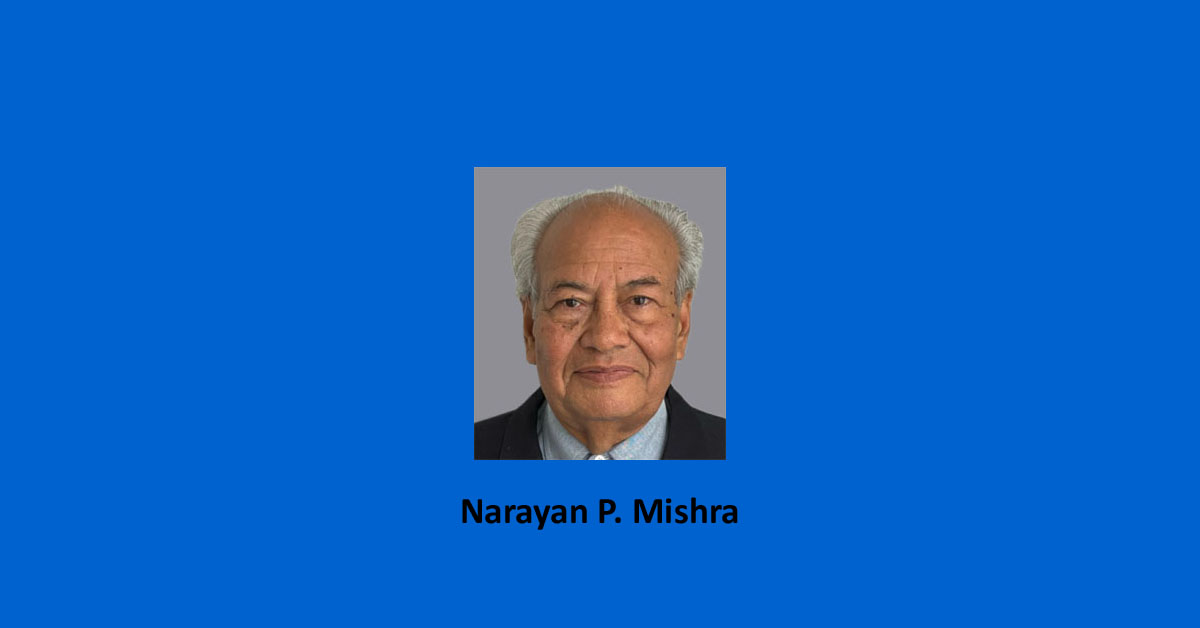
By Narayan Prasad Mishra
Pleasant Facts
We all take pride in our country and think of it as peaceful and beautiful, with some of the world’s most spectacular landscapes. The Himalayas, including Mount Everest, attract trekkers and mountaineers from around the globe. The Annapurna Circuit and Langtang Valley offer some of the most scenic trekking routes, drawing adventure seekers year-round. Nepal also has a profound cultural and historical legacy.
Despite being a Hindu-majority nation, it has a history of religious tolerance. Hinduism and Buddhism coexist peacefully, and there is respect for other religious communities, including Muslims and Christians. Festivals such as Bisket Jatra, Indra Jatra, Machhendra Jatra, Sat Gaule Jatra, Gai Jatra, Dashain, and Tihar bring people together, reinforcing a strong sense of communal harmony. It is the birthplace of Lord Buddha, making it a significant spiritual destination. The country’s ancient cities—Kathmandu, Bhaktapur, Patan, Kirtipur, Khokhana, Banepa, Panuti, and Sankhu—are adorned with intricately designed temples, palaces, and courtyards that showcase Newar architecture and artistic excellence. The Malla kings (12th–18th century) contributed immensely to our cultural heritage.
Our nation is a biodiversity hotspot, with national parks and wildlife reserves protecting endangered species like the Bengal tiger, one-horned rhinoceros, and red panda. Conservation efforts in places like Chitwan and Bardiya National Parks have helped restore wildlife populations and promote ecotourism.
Our country is known for its warmth and hospitality. Whether in the bustling streets of Kathmandu or the remote villages of Mustang, visitors are welcomed with open arms. Despite facing numerous hardships, we demonstrate remarkable resilience and optimism. Our people seem happier compared to those in many wealthy countries, even though they are not rich. It is said that we have 125 ethnic groups speaking 123 languages, with a variety of cultures, traditions, dress, and food of different tastes. However, Nepali is our national and common language.
It has many unique and admirable qualities. Unlike most South Asian nations, it was never colonized by any foreign power, including the British. The Anglo-Nepalese War (1814–1816) ended with the Sugauli Treaty, but Nepal remained independent. Our country is the birthplace of Siddhartha Gautama (Buddha), the founder of Buddhism, in 623 BCE. It is also the land of the legendary Gorkha soldiers, known globally as the bravest of the brave.
Our country was the world’s only Hindu kingdom until 2008. Unfortunately, it became a secular republic after the monarchy was abolished following the Maoist insurgency (1996–2006). It is home to Mount Everest (Sagarmatha), the world’s highest peak, as well as eight of the world’s 14 tallest mountains. Climbing Everest remains a significant part of Nepal’s global identity. It is also the country of the Living Goddess (Kumari), where a prepubescent girl is worshipped as a living goddess, a tradition followed for centuries. Additionally, Nepal boasts the Kali Gandaki Gorge, one of the world’s deepest, and Tilicho Lake, one of the highest-altitude lakes at nearly 5,000 meters.
It has an excellent climate—neither extremely hot nor cold in any season. It also has fertile agricultural land with diverse geographical climates, despite being a small country. Rich in water resources, our country has the potential for agriculture and hydroelectricity generation. It shares borders with two of the biggest countries in Asia, India and China, with whom it has no enmity. Our people are hardworking. We do not lack skilled and unskilled human resources necessary for development. Many friendly countries, including our two big neighbors, have contributed billions of dollars toward our development and the welfare of its people. We realize more about the beauty and peacefulness of our country after visiting other countries, developed or underdeveloped. At the same time, we also realize how backward we are in terms of development and infrastructure compared to many other developed countries, due to the absence of nation-serving leaders and proper planning and programs.
Once, I wrote the following Nepali poem, titled नेपाल: सुन्दरता र शान्तिको स्वर्गभूमि (Nepal: A Heaven of Beauty and Peace), celebrating the greatness of our nation. Below, I present the poem in Nepali and its English translation, but not word-for-word.
Poem in Nepali

Poem in English

Unpleasant Facts
However, despite its potential, our country remains one of the most backward countries in the region. A majority of our people are poor, living with inadequate access to food, shelter, clean water, healthcare, education, electricity, and roads. Even in cities, unpolluted drinking water is scarce, and almost all urban rivers, including those in Kathmandu Valley—where thousands of squatters and settlers reside—are highly polluted. Farmers wash vegetables in these contaminated waters before selling them in the markets.
Although our country is an agricultural country, we do not produce enough to meet our needs, and we must import rice, lentils, and beans from other nations. Even the bare essentials like cooking oil, ghee, and butter are imported from abroad. Our reliance on imports extends to nearly everything, despite our potential to be more self-sufficient.
Unemployment is another major challenge. The lack of effective policies and programs for agricultural and industrial development has left many without jobs. Nepal’s leadership has failed to address these crucial issues. Most political parties, their leaders, and their followers serve their own interests rather than those of the people. Since the introduction of the multiparty and republican system, corruption, mismanagement, nepotism, and favoritism have become widespread. Corruption appears to be the primary activity of parties in power. Every government is plagued by scandals involving millions and billions of rupees. The government machinery functions like a cracked pot, leaking national funds—even those provided by donor countries. As a result, political leaders, their associates, and business elites continue to grow richer, while the majority of citizens remain poor.
Historical Setbacks
Nepal has also suffered from devastating events. The Maoist Civil War (1996–2006) destroyed infrastructure, including office buildings, police posts, and bridges. This war ultimately led to the fall of the monarchy and the establishment of a democratic republic.
Another dark chapter in Nepal’s history was the 2001 Royal Massacre, in which King Birendra and his family were tragically killed, allegedly by Crown Prince Dipendra. This shocking event triggered political instability, culminating in the monarchy’s abolition in 2008. Our small country adopted a federal structure with seven provinces, a system beyond the capacity of our national budget. This decision was driven more by political parties’ desire to create additional portfolios for their leaders than by the country’s actual needs. Additionally, under the influence of foreign interests, Nepal was declared a secular state despite more than 90% of its population being Hindu.
Challenges and the Path Forward
Since then, Nepal’s political landscape has been marked by frequent leadership changes, ineffective governance, and rampant corruption. Political parties remain deeply divided, prioritizing their own interests over national progress. Corruption in government institutions has hindered economic growth and eroded public trust.
Nepal remains one of the least developed countries, heavily reliant on remittances from millions of migrant workers. Limited industrialization and job opportunities force a significant portion of the population to seek employment in the Middle East, Malaysia, and India. This brain drain weakens Nepal’s long-term development prospects.
Despite some improvements, Nepal continues to struggle with inadequate infrastructure. Rural roads remain in poor condition, and power outages, though reduced in recent years, still disrupt daily life and businesses. Healthcare and education are unaffordable for middle- and lower-income households due to rising costs. Many rich people seek medical treatment and higher education abroad, options that only the wealthy can afford.
Environmental challenges such as deforestation, air pollution, and improper waste management pose serious threats. Kathmandu, once known for its clean air, now suffers from severe pollution caused by vehicle emissions and unplanned urbanization. Nepal is also vulnerable to natural disasters, including floods and landslides, which result in loss of lives and economic setbacks.
Although progress has been made in women’s rights, gender inequality persists, particularly in rural areas. Discrimination in education, employment, and inheritance rights continues. Social issues like caste-based discrimination and child marriage remain despite legal efforts to eliminate them. Nepal’s education system also needs modernization to align with global standards and equip young people with the skills needed for modern industries.
Our country faces numerous challenges, but it also has immense potential. Its strategic location, abundant natural resources, and rich cultural heritage provide opportunities for growth. By promoting adventure, religious, and cultural tourism beyond Kathmandu and Pokhara, investing in infrastructure and human capital, and implementing substantial economic reforms, Nepal can accelerate its progress and narrow the gap with its neighbors.
However, persistent issues such as political instability, rampant corruption, economic struggles, and environmental degradation continue to hinder development. Our self-serving political parties have turned the country from heaven into hell. They have made it unlivable, which is the saddest part. Nepal urgently needs leaders and political parties that serve the nation rather than their own interests. Strong leadership, effective policies, good governance, and active citizen participation are essential to overcoming these challenges.
More importantly, we must replace self-serving leaders, parties, and their followers with those who prioritize the nation’s welfare. Eradicating corruption is crucial. Only by acknowledging both the strengths and shortcomings of our country can we pave the way for real progress. Until these fundamental changes occur, Nepal risks remaining in the same condition—or worse.






Comments:
Leave a Reply